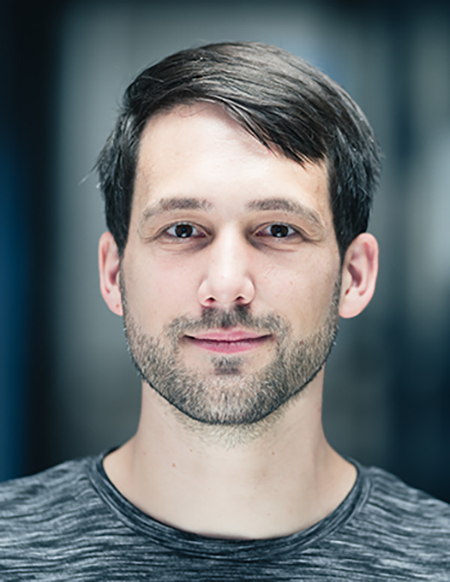
TECoSA has welcomed seven new postdoctoral researchers to the center. In this interview series, we will introduce the talented researchers joining our community and explore the innovative work they are pursuing. This interview features Marcus Nolte.
Hi Marcus, what were you doing before signing up as a post doc at TECoSA/KTH?
Before I joined KTH and TECoSA, I was a post doc in Germany in the Institute of Control Engineering at TU Braunschweig. That’s also where I completed my PhD in Systems and Safety Engineering for automated vehicles.
What does your research focus on?
My research focuses on model-based methods for designing autonomous systems and ensuring that they are sufficiently safe for public deployment. While I am a control engineer by training, my research has also always included socio-technical and ethical aspects to make complex systems more explainable to the public.
What challenges does your research address?
When we think about modern autonomous systems, they will not stay somewhere in the basement with us engineers who develop them. They will need to interact with a bunch of different societal stakeholders who decide if a technology is acceptable for society or not.
In my research, I try to include these socio-technical aspects in technical frameworks and try to enable communication between technical and non-technical stakeholders.
What makes this field particularly exciting to you?
As I said above, it’s not us engineers who decide if modern technology is acceptable for the general public. We must be able to understand how to build “the right” systems and learn to think beyond pure technical concerns. In that respect, I love working interdisciplinarily and communicating as well as translating between different domains.
My research focuses on model-based methods for designing autonomous systems and ensuring that they are sufficiently safe for public deployment, says Marcus Nolte.
What do you look forward to the most during this period as a PhD?
Working with the colleagues from the extended TECoSA network and developing my research: Sweden is traditionally very strong in safety- and systems engineering-related research. I’m excited to get to collaborate with and learn from a bunch of people who I had only known from their papers so far.
What’s the most unusual talent you have that most people don’t know about?
I can imitate quite a few of German regional dialects.